Disclosure: This post contains an affiliate link. If you buy through this link, SleepRainHub may earn a small commission at no extra cost to you.
Many people use rain sounds or white noise every night as part of their sleep routine. You press play, lower the volume, close your eyes, and let the steady background sound help create a calmer environment.
But what if you fall asleep quickly and still wake up with a stiff neck, sore shoulders, or a dull headache?
In that case, the issue may not be your sleep audio. It may be your pillow.
Rain Sounds Can Help the Atmosphere — But They Cannot Support Your Neck
Rain sounds and white noise can be helpful because they create a consistent background and may make sudden environmental sounds less noticeable. For many light sleepers, this can make bedtime feel calmer and more predictable.
But sleep audio mainly changes the sound environment around you.
Your pillow affects something different: how your head, neck, and shoulders are supported while you sleep.
If your pillow is too high, too flat, too firm, or too soft for your sleep position, your neck may stay slightly bent for hours. Even if the room sounds peaceful, your body may still feel uncomfortable during the night.
This is why some people can fall asleep easily with rain sounds but still wake up feeling tired or tense.
Why Pillow Support Matters
A mattress supports most of the body, but a pillow plays a key role in supporting the head and neck.
When pillow support does not match your sleep position, you may notice:
- Neck stiffness in the morning
- Shoulder tension
- Frequent position changes during the night
- Waking up even though the room is quiet
- Feeling like you slept, but did not fully recover
These symptoms can have many causes, including stress, posture, health conditions, or sleep habits. But an old or poorly matched pillow is one simple factor worth checking.
The Right Pillow Depends on How You Sleep
There is no single best pillow for everyone. The right choice depends largely on your sleep position, body shape, and comfort preference.
Back sleepers often do best with a medium-loft pillow that supports the natural curve of the neck without pushing the head too far forward.
Side sleepers usually need a higher and more supportive pillow because there is more space between the shoulder and the head. The goal is to keep the neck from bending downward or upward.
Stomach sleepers often prefer a thinner, softer pillow because a high pillow can push the neck into an uncomfortable angle.
Pillow material also matters:
Memory foam:
Contours closely and can offer strong support, but some people find it warm.
Latex:
Responsive, supportive, and often more breathable.
Buckwheat hull:
Adjustable and breathable, though it may feel firmer and make some noise.
Down or feather:
Soft and plush, but usually less structured.
If you are looking for a starting point, you can compare this pillow option here:
https://abundancegrounding.com/vsl1-pillowcase/landing#aff=liminglin001080&cam=CAMPAIGNKEY
This pillow trains how to properly sleep on your back or your side.
- Helps to alleviate headaches and neck pains.
- Best sleep position: side & back sleeping
- Gently supports the head and neck for better sleep.
- For back sleeping:
- Two cervical rolls support the neck while a hexagon-shaped center gently cradles the head for better sleep.
- The shorter cervical roll measures 6in.
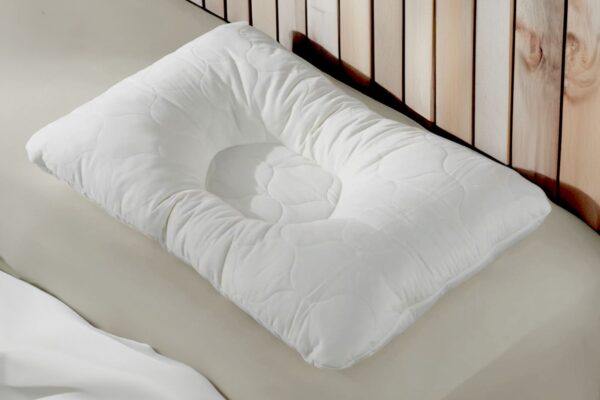
Choose based on your sleep position, preferred firmness, and whether you need more neck support or more softness.
Signs It May Be Time to Replace Your Pillow
Many pillows lose shape and support over time. A common guideline is to consider replacing your pillow every 1–2 years, depending on the material, condition, and how well it has been maintained.
Your pillow may be overdue for replacement if:
- It no longer springs back after being folded
- It has a visible dent or flattened area
- It feels lumpy or uneven
- You often wake up with neck or shoulder discomfort
- It has developed odor, discoloration, or allergy-related buildup
A pillow does not need to be expensive to be useful. It simply needs to support your sleep position comfortably.
Sound + Support: A Better Sleep Setup
Rain sounds, white noise, blackout curtains, and calming routines can all help create a more peaceful bedroom environment.
But physical comfort matters too.
If you already use rain sounds every night and still wake up uncomfortable, your next upgrade may not be another audio track. It may be checking whether your pillow still supports your head and neck properly.
A simple sleep setup might include:
- Low-volume rain sounds
- A dark and quiet room
- A pillow matched to your sleep position
- Comfortable bedding
- A consistent bedtime routine
Final Thoughts
Rain sounds can help make bedtime feel calmer, but they are only one part of the sleep environment.
If you fall asleep easily but wake up with stiffness or discomfort, your pillow may be worth reviewing. Start with your sleep position, check whether your pillow still holds its shape, and choose support over popularity.
Persistent insomnia, severe neck pain, loud snoring, breathing interruptions, or ongoing daytime tiredness should be discussed with a qualified healthcare professional.
Explore more practical sleep guides from SleepRainHub.